Revamp Your Outside Environment: Skilled Landscaping Tips for a Stunning Home Garden
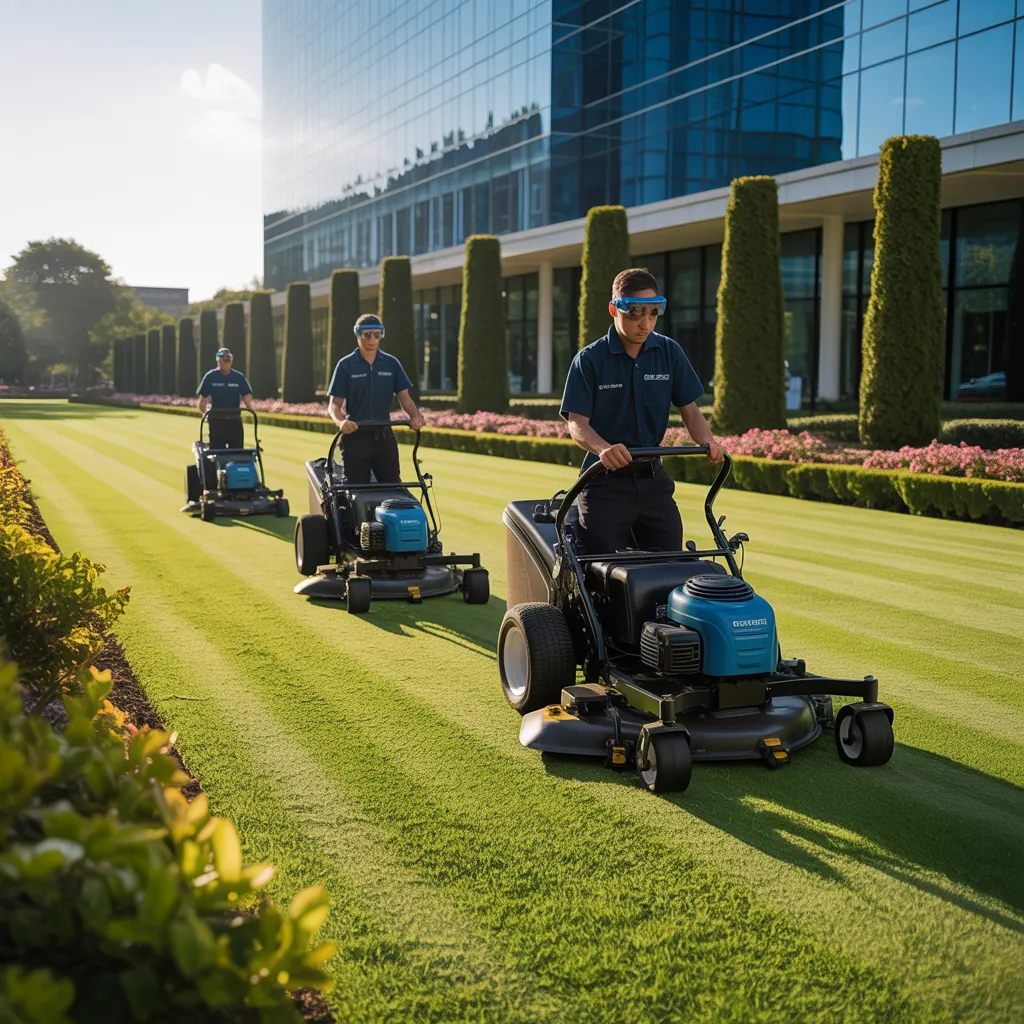
Reshaping an outdoor space into a stunning home garden requires careful planning and thoughtful execution. By evaluating the unique characteristics of a yard, folks can set clear landscaping goals. Selecting greenery suited to the local climate is essential. Additionally, incorporating functional hardscaping elements enhances both visual appeal and usability. However, the journey doesn't end there. Discovering how to maintain vibrancy and eco-friendliness can elevate any garden to the next level. What strategies will lead to lasting success?
Evaluate Your Area to Establish Your Landscaping Goals
In advance of starting any landscaping project, it is vital for homeowners to evaluate their exterior area carefully. This preliminary assessment enables them to understand the distinctive features of their yard, including sunlight exposure, soil condition, and current plants. Determining these elements assists in establishing what types of landscape features and design elements can be effectively incorporated into the area.
Property owners should assess dimensions and note any obstacles such as trees, fences, or pathways that may influence the layout. Additionally, understanding personal preferences and daily requirements—such as areas for social gatherings, gardening, or relaxation—can guide the landscaping goals. By clearly defining these objectives, property owners set a solid foundation for a unified and useful outdoor environment. This thoughtful assessment ultimately produces a more successful and satisfying landscaping project, ensuring that the outdoor space not only strengthens the home's aesthetic but also addresses the practical needs of its inhabitants.
Find the Perfect Vegetation that Grow in Your Local Climate
Selecting the ideal greenery for a specific climate is essential for creating a thriving outdoor space. Grasping local seasonal conditions, including temperature ranges, rainfall, and humidity, helps homeowners determine plants that will succeed. Native plants often adjust best, requiring less maintenance and water. For instance, drought-resistant varieties are ideal for arid regions, while moisture-loving species thrive in humid climates.
Gardeners also need to consider seasonal changes; selecting plants that bring year-round interest enhances the landscape. Early flowers, summer perennials, and rich fall foliage can create a dynamic visual experience. Additionally, consulting local gardening centers or extension services can yield valuable tips into strong plant varieties suited to specific conditions.
Fundamentally, a methodically arranged plant selection not only improves aesthetics but also sustains local animal life and promotes ecological balance, making it a excellent decision for any outdoor space overhaul.
Enhance Your Garden With Functional Hardscaping Elements
Functional hardscaping components serve as an essential role in establishing outdoor spaces and enhancing their usability. By introducing seating areas and carefully crafted pathways, homeowners can build welcoming environments that promote relaxation and movement. Additionally, borders can help separate different areas within the garden, adding structure and aesthetic appeal.
Characterize Your Outdoor Environment
By forming a distinct outdoor space, you can transform a garden into an welcoming retreat. A good way to achieve this is with practical hardscaping elements that provide structure and organization. Pathways made from rock or brick direct visitors while providing visual interest. Retaining walls form tiered levels, improving the garden’s overall design and stopping soil erosion. Fencing or trellises can delineate boundaries, offering privacy and a sense of enclosure. Including raised garden beds not only defines planting areas but also renders them more accessible. These elements function harmoniously to form distinct zones that boost both aesthetics and functionality. In the end, a clearly marked outdoor space fosters a peaceful environment where homeowners can unwind and enjoy nature.
Add Seating Areas
Placing seating areas within an outdoor environment greatly increases its usability and charm. Through integrating practical landscaping features, homeowners can create inviting spots for relaxation, connecting, or appreciating the natural world. Possibilities include chairs, garden furniture, or hammocks, each lending to the yard's appearance and enjoyment. Positioning seating thoughtfully near focal points, like flower beds or aquatic elements, inspires users to engage with their surroundings. In addition, utilizing materials like granite or lumber can complement the landscape's style, preserving a cohesive look. Covered areas, including pergolas or umbrellas, deliver ease during summer periods, keeping these areas usable all year. Finally, expertly designed seating areas change an typical landscape into a welcoming retreat for family and friends.
Incorporate Walkways And Borders
In outdoor landscaping, pathways and borders play the role of essential features, ushering guests through the garden while boosting its overall layout. They build a sense of order and flow, assisting in delineating different sections and greenery. Ingredients including stone, gravel, or bricks can be employed to create durable paths, while natural borders made from shrubs or decorative fencing improve aesthetic appeal. Moreover, pathways can support exploration, highlighting centers of interest like flower beds or water features. Borders that are properly designed can also prevent weed growth and soil washout, contributing to garden health. Ultimately, combining pathways and borders not only improves functionality but also elevates the visual beauty of the outdoor space, making it more attractive and pleasant.
Build Connectivity With Pathways and Seating Areas
A well-designed outdoor space often includes a balanced arrangement established through strategically positioned pathways and seating areas. Pathways guide visitors through the garden, establishing a clear sense of direction while enhancing the overall visual appeal. Incorporating materials like stone, gravel, or wood can contribute to the pathway's visual appeal and guarantee durability.
Seating zones supply rest points, inviting guests to take a break and value the surroundings. Placing seating strategically near focal points, such as a fountain or a flower bed, stimulates interaction with the outdoor space. The selection of furniture—benches, chairs, or even hammocks—can determine the atmosphere, whether it be casual or elegant.
Including both pathways and seating builds an appealing environment, enhancing usability and enjoyment. Together, they establish a fluid shift between different areas of the garden, supporting exploration and relaxation, ultimately converting any outdoor space into a calm retreat.
Elevate Your Garden With seasonal color and texture
To boost the visual appeal of a garden, careful choice of plants suited to seasons is vital. Combining various textures can introduce depth and fascination, while strategically placed focal points can attract the eye and create a cohesive design. These elements together guarantee a vibrant and energetic outdoor space throughout the year.
Choose Seasonal Vegetation Wisely
Choosing plants for different seasons wisely can transform any garden into a colorful display of color and texture. By picking plants that bloom at different times throughout the year, gardeners can guarantee a constant show of beauty. Spring bulbs, summer annuals, autumn perennials, and winter evergreens each contribute distinct colors and forms to the landscape. It is essential to take into account local climate conditions and soil types, as well as the plants' growth habits. Native species often perform well and require less maintenance, enhancing biodiversity. Additionally, combining plants with different sizes and bloom times can create a dynamic visual effect. Ultimately, careful choosing develops a garden that evolves with the seasons, offering a delightful experience year-round.
Stack Materials For Visual Impact
Achieving dimension in a garden involves layering textures that enhance and elevate yearly color. By incorporating a range of plants with varied leaf shapes, sizes, and tones, one can create a aesthetically engaging landscape. For example, the use of broad-leaved plants alongside fine-textured grasses can produce contrast and interest. Additionally, incorporating bark, stones, and other natural materials introduces sensory elements that enhance the complete garden journey. Garden flowers should be thoughtfully placed to provide bursts of pigmentation throughout the year, ensuring that each layer remains visually interesting. This careful composition not just guides vision across the garden but also creates an engaging atmosphere where every detail adds to the garden's beauty and harmony.
Weave in Focal Points With Purpose
By strategically incorporating focal points, one can markedly enhance a garden's visual charm and seasonal interest. These focal points act as focal anchors that draw the eye and form a unified layout. Gardeners may use elements such as garden statues, decorative plants, or bright flower patches to establish visual interest. Seasonal color can be introduced through the thoughtful pick of plants that flower at staggered comprehensive resource intervals, ensuring the garden remains dynamic year-round. The role of textures is also important; combining smooth stone paths with rough bark or lush foliage adds richness. By thoughtfully placing these elements, a gardener creates an appealing ambiance that invites discovery and appreciation, transforming an outdoor space into an inviting haven.
Implement Environmentally Responsible Techniques for a Vibrant Garden
Adopting sustainable methods is vital for creating a healthy garden that flourishes in alignment with the environment. Gardeners are encouraged to utilize native plants, which require less water and care while benefiting local wildlife. Implementing natural farming strategies, such as composting and natural pest control, can greatly reduce chemical usage, building a healthier ecosystem.
Techniques for water management, such as drip irrigation and rainwater harvesting, also enhance sustainability by maximizing resource use. Mulching does preserve moisture but also limits weeds, cutting down the need for herbicides. Additionally, promoting biodiversity by incorporating a variety of plants supports resilience against pests and diseases.
Soil health is vital; practices like rotating crops and planting cover crops sustain nutrient levels without chemical fertilizers. By embracing these sustainable practices, gardeners can create a thriving, vibrant space that nurtures both plants and the environment, ultimately leading in a more rewarding gardening experience.
Resolve Typical Issues for Year-Round Garden Beauty
A well-cared-for garden can present numerous challenges during the year, impacting its general beauty and vigor. Frequent obstacles include insect problems, deficient nutrients, and limited water supply. Identifying pests early is critical; gardeners should regularly inspect leaves for damage signs and treat infestations using natural pest treatments or introducing beneficial insects.
Mineral deficiencies often manifest as yellowing leaves or slowed growth. Performing soil examinations can help ascertain specific needs, allowing for strategic nutrient application to regain balance. Additionally, ensuring correct moisture levels is vital; excessive moisture can create root rot, while underwatering burdens plants.
Seasonal shifts also require modifications in care. During winter, applying mulch guards roots from frost, while summer may call for increased watering and shade for delicate plants. By handling these common issues swiftly and competently, gardeners can relish a dynamic and prosperous outdoor space throughout the year.
Common Questions Asked Regularly
What Budget Do I Need for a Landscaping Project?
A landscape undertaking typically requires a spending plan of $1,000 to $5,000 for basic enhancements, while extensive designs may exceed $15,000. Considerations such as materials, labor, and scale of work greatly impact overall costs.
What Is the Optimal Timing to Commence Landscaping?
Begin your landscaping in spring or autumn, which are the finest times. These intervals offer excellent weather for transplanting, enabling plants to build root systems before facing the trials of summer heat or winter cold.
Should I Tackle Outdoor Design on My Own or Contract a Professional?
One can certainly complete landscaping projects by yourself, harnessing online resources and creativity. However, retaining a professional guarantees expertise, efficiency, and potentially superior results, especially for intricate designs or larger projects that require specialized skills.
What Tools Are Essential for Home Landscaping?
Critical implements for home landscaping feature a rake, shovel, spade, pruning shears, garden fork, and a hose or watering can. These tools help efficiently handle soil, plants, and overall garden care, ensuring effective landscaping.
How Can I Manage My Garden Year-Round?
To maintain a garden throughout the year, one should regularly prune plants, use mulch as an insulating layer, monitor moisture levels, and execute periodic cultivation approaches. Additionally, pest control and nutrient application are crucial for vibrant, healthy growth.